Asana · Posture
Meet your body
Move through positions and transitions with awareness. The aim in class is to explore a workable range, balance effort with ease and notice how your body responds.
Yoga invites us to pay attention: to how we move, how we breathe and how we meet the world. Understanding its roots helps us see the practice beyond a sequence of poses.
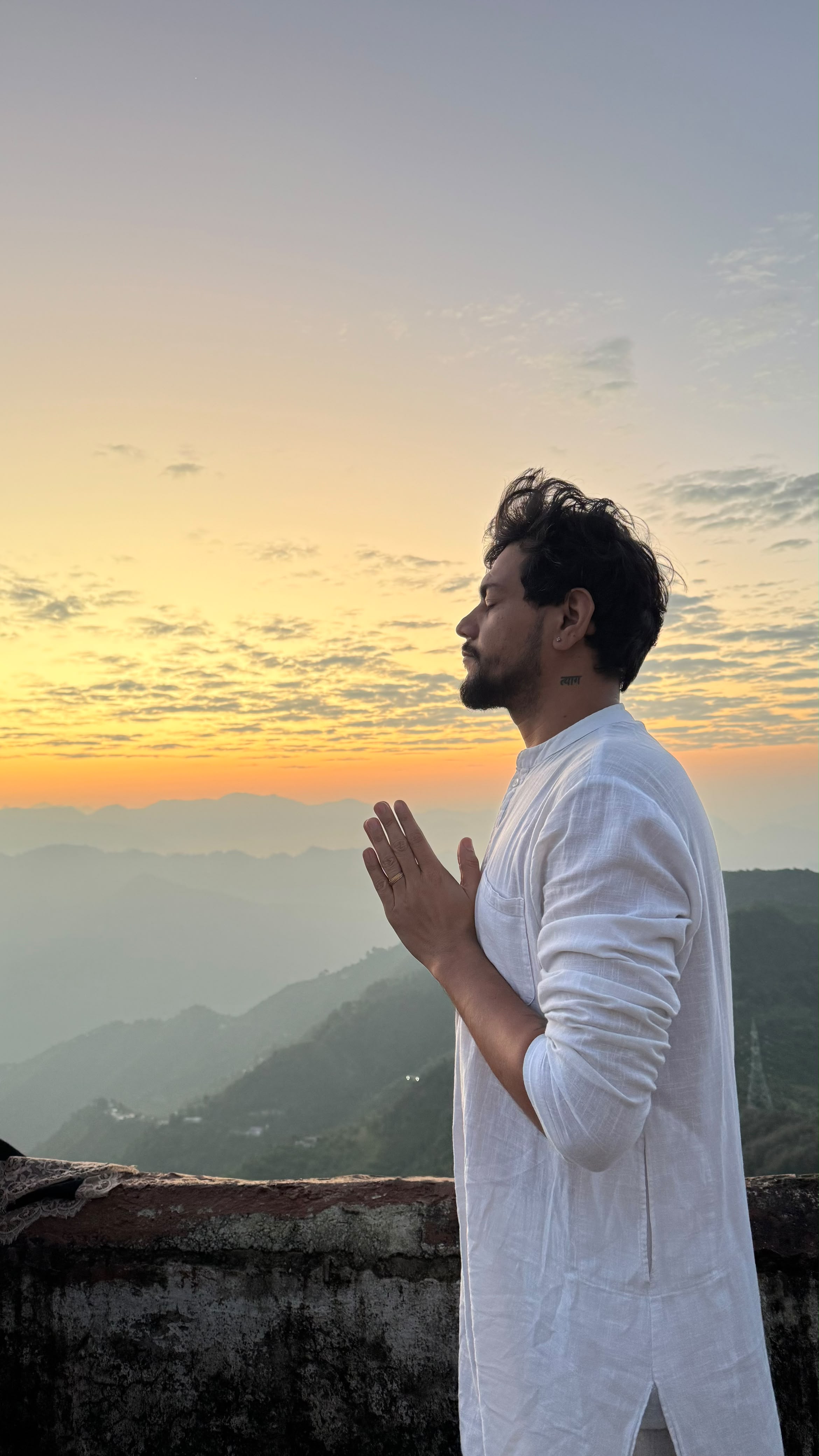
Movement becomes more meaningful when it is connected to breath, attention and the world around us.
Yoga grew from Indian philosophical and spiritual traditions. Its approaches have developed over generations, connecting bodily practice with attention, reflection and a way of living.
There is no single style that represents all of yoga. Postures are one part of a wider tradition that includes breath, meditation and ethical reflection. Learning with respect for those roots gives the practice context and depth.
Move through positions and transitions with awareness. The aim in class is to explore a workable range, balance effort with ease and notice how your body responds.
Explore the rhythm of breathing with guidance. Start gently and let the practice suit your experience, rather than forcing a particular pace or depth.
Practise returning attention to an anchor such as the breath. Quiet observation, reflection and repeated practice matter more than trying to stop every thought.
Yoga also asks how we live: with care, honesty and awareness of our habits. These themes give the practice meaning beyond the mat.
Postures offer a way to practise mobility, balance and controlled movement, with the level of effort adapted to you.
Research suggests yoga may help with stress management and emotional well-being. Guided movement and quiet attention can become a regular pause in a busy day.
Studies suggest possible benefits for sleep, balance and healthy habits. What you notice will depend on the practice, your circumstances and consistency.
Evidence varies across yoga styles and populations; benefits are not guaranteed. Yoga is a wellness practice, not a replacement for medical care. If you have an injury, health condition or are pregnant, discuss suitable adaptations with your clinician and teacher.
Read the research overview · NIH / NCCIHExplore posture, alignment, breath awareness and relaxation at an appropriate pace. Sessions can be shaped around beginners or those returning to regular practice.
Arun’s teaching may include movement, breathwork, mantra and guided meditation. Chakra language belongs to the traditional framework of the practice; it is not a medical diagnosis.
You do not need to arrive flexible or experienced. Share your goals and choose a supported starting point.